
State guide New Mexico

New Mexico DUI & Traffic Violations: why field-sobriety wording, license risk, and early leverage matter early

A cleaner dui & traffic violations page for New Mexico built around field-sobriety wording, license risk, realistic expectations, and decisions worth slowing down for.

Reviewed January 2026 2 min read Official-source grounded Ver en Espanol En Español
Key Takeaways
  • NM DWI statute: NMSA § 66-8-102; "DWI" (not DUI); BAC ≥0.08% OR impaired by any drug to degree of unsafe driving (impairment-based drug DWI, not per se THC concentration). 10-YEAR LOOK-BACK. Standard 1st (BAC 0.08-0.15%): misdemeanor; 24hr mandatory min/90 days max/$500-$1K/1yr license revocation/ALL-OFFENDER IID 1yr minimum (NM = FIRST STATE nationally to require IID for all DWI offenders including 1st offense, enacted 2005). Aggravated 1st (BAC ≥0.16% OR refusal): 48hr mandatory min/enhanced fine/IID 2yr. 2nd (10yr): 96hr min/2yr revocation/IID 2yr. 3rd (10yr): 30-day min/3yr revocation/IID 3yr. 4th+ (10yr) = 4th degree FELONY (up to 18mo state prison; civil rights loss).
  • Implied consent NMSA § 66-8-111: breath or blood test upon DWI arrest; Intoxilyzer 8000 = evidentiary device (calibration/certification = defense challenge target); PBT (Alco-Sensor) = probable cause only, NOT admissible as BAC. ALR: test failure = 1yr revocation (1st); refusal = 1yr revocation (same). 20-DAY HEARING REQUEST DEADLINE from notice of revocation (written; must be RECEIVED by MVD; strict — missing = automatic revocation). MVD ALR hearing: civil/administrative; limited issues (reasonable grounds + lawful arrest + implied consent advisement + test fail/refusal). ALR and criminal proceedings = INDEPENDENT; acquittal does NOT automatically reverse ALR.
  • NM DWI = top 3 states by DWI fatality rate nationally (rural roads + long distances + limited transit + poverty + tribal border town dynamics). Gallup (McKinley County): historically among highest US DWI arrest/fatality rates; Navajo Nation border town; enhanced enforcement with checkpoints. Navajo Nation DWI jurisdiction: Navajo Nation Code Title 14 traffic offenses; NNPD enforcement; non-Indian on Navajo roads = potential dual (Navajo + state/federal) prosecution. Dram Shop Act NMSA § 41-11-1: licensed vendor liability for selling to intoxicated person or minor who injures third party; significant additional defendant in NM DWI accident cases. ABQ enforcement: Central Ave (Route 66/Old Town/Downtown/Nob Hill corridor); DWI court program for eligible 1st/2nd offense defendants.
Key Numbers — New Mexico All 50 states →
Filing Deadline 3 years
Fault Rule Pure Comparative
Insurance System At-Fault
Key Statute NMSA § 37-1-8
DUI & Traffic Violations guide for New Mexico
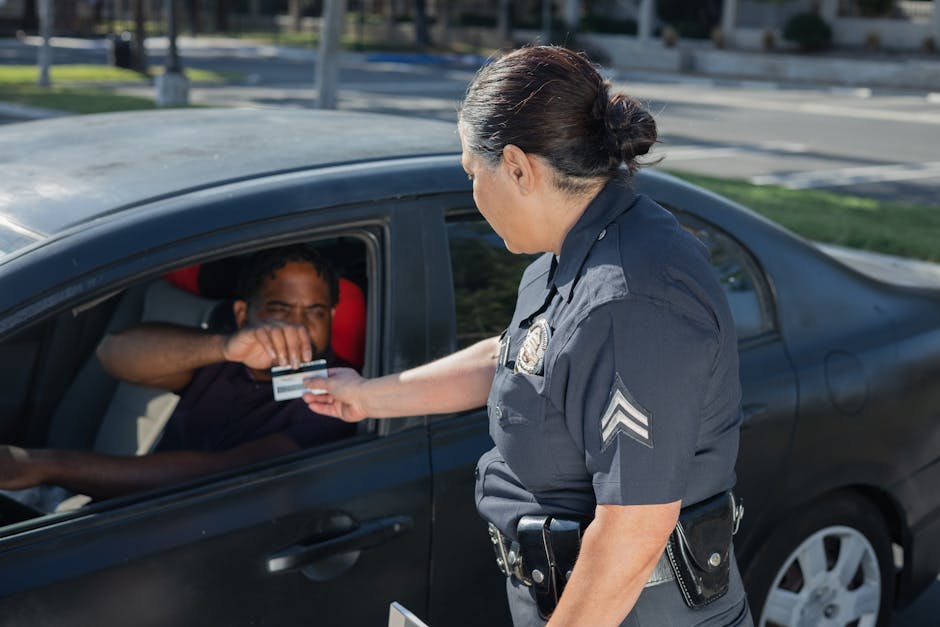
Photo by Kindel Media on Pexels

New Mexico uses "DWI" (Driving While Intoxicated) in its primary statute (NMSA § 66-8-102) — the same terminology as New York, Missouri, and Texas. New Mexico has one of the most serious DWI problems in the country: the state consistently ranks among the top three states for DWI-related traffic fatality rates per capita, and the issue has driven decades of legislative and law enforcement responses. New Mexico was the first state in the country to require ignition interlock devices for all DWI offenders — including first-time offenders — as a condition of license reinstatement (New Mexico enacted this all-offender IID requirement in 2005; many other states have since followed). New Mexico's DWI enforcement culture reflects the seriousness with which the state views impaired driving — DWI checkpoints are legal and actively used by the New Mexico State Police (NMSP) and municipal police, particularly in the Albuquerque metro and along the I-25 and I-40 corridors on holiday weekends.

New Mexico DWI law distinguishes between standard DWI (BAC ≥ 0.08%), aggravated DWI (BAC ≥ 0.16% or DWI with a prior within 10 years), and DWI per se (any BAC ≥ 0.08% without requiring evidence of actual impairment). New Mexico also criminalizes DWI based on drug impairment (driving while impaired by any drug to the degree that the person cannot drive safely) — a "per se" impairment standard rather than the drug-concentration-based per se rule used in Nevada (2 ng/mL THC). The 10-year look-back for DWI offense counting in New Mexico is a critically important element — a second DWI within 10 years is a criminal offense with substantially enhanced penalties, and a fourth DWI is a fourth degree felony with potential state prison time.

Sponsored

Need legal documents for your traffic case?

Hardship license requests, hearing prep forms, and correspondence — state-specific.

Sponsored links. Affiliate disclosure · Compare all options